Melasma can’t be cured permanently, but it can be controlled. Daily broad-spectrum SPF 50+ sunscreen (ideally tinted, to block visible light), gentle skin care and treatments prescribed by a doctor are the foundation. In-clinic treatments can help some people, but heat and light can also make melasma worse, so any device treatment needs a careful assessment first. That is especially important in Australia’s strong sun.
Summarise this article with AI
Melasma at a glance
| What it looks like | Brown or grey-brown patches, often on the cheeks, forehead, upper lip and chin, usually on both sides |
|---|---|
| Who gets it | Most often women, especially with medium to darker skin tones |
| Main triggers | Sun (UV and visible light), hormones (pregnancy, contraceptive pill), heat, genetics |
| Can it be cured? | No, but it can be lightened and kept under control |
| Most important step | Strict daily sun protection, every day of the year |
What causes melasma?
Melasma happens when pigment-producing cells in the skin become overactive. Sunlight is the strongest trigger, including visible light, not just UV. Hormonal changes are another major factor, which is why melasma often appears during pregnancy or with hormonal contraception. Heat, some cosmetics and genetics also play a part. Because several triggers are involved, melasma often returns after treatment if those triggers aren’t managed.
Is it melasma or sun damage?
Not all pigmentation is melasma. Sun spots (solar lentigines) and freckles are usually smaller, more defined spots caused by cumulative sun exposure, and they often respond well to treatments such as IPL. Melasma is usually patchy, symmetrical and blurred at the edges. The treatment approach is very different, so a proper assessment matters. Any new, changing or irregular spot should be checked by a doctor to rule out skin cancer.
What works for melasma
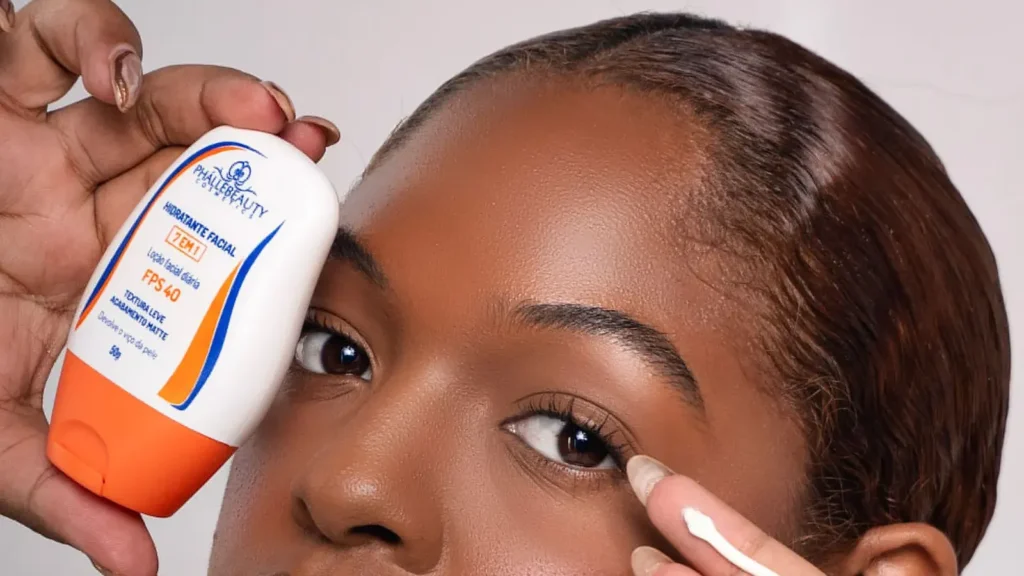
- Daily sun protection. Broad-spectrum SPF 50+, reapplied through the day, plus a hat. Tinted sunscreens containing iron oxides also help block visible light, which plays a part in melasma.
- Gentle skin care. Irritation and inflammation can worsen pigmentation, so avoid harsh scrubs and overuse of strong actives.
- Prescription treatment from a doctor. Your GP or a dermatologist can prescribe topical treatments and some oral options. These are medical treatments and need a doctor’s assessment.
- Selected in-clinic treatments. Gentle hydrating facials and some resurfacing or light-based treatments may help selected people, used carefully alongside the steps above.
What can make melasma worse
- Unprotected sun exposure, even short daily exposure while driving or walking.
- Aggressive heat-based or light-based treatments, which can trigger rebound pigmentation in melasma-prone skin.
- Irritating skin care, waxing on the upper lip, and saunas or hot yoga for some people.
Types of melasma
| Type | Where the pigment sits | How it usually responds |
|---|---|---|
| Epidermal | Upper layer of skin; well-defined brown patches | Responds best to sun protection and topical treatment |
| Dermal | Deeper skin; bluish-grey, less defined | Harder to treat; slower response |
| Mixed | Both layers; the most common type | Partial response; needs long-term management |
A practitioner can estimate the type by examining the skin, sometimes using a special light. This helps set realistic expectations.
Sun protection that actually works for melasma
- Use SPF 50+ every day, including cloudy days and days indoors near windows. UV and visible light pass through glass.
- Apply enough: about half a teaspoon for the face and neck, and reapply every two hours outdoors.
- Choose a tinted formula containing iron oxides to help block visible light, which plain sunscreens don’t fully cover.
- Add physical protection: a broad-brimmed hat and sunglasses, and seek shade during peak UV hours. In Sydney, UV is often high from September to April.
- Check the UV index each day and take extra care when it’s 3 or higher.
A sensible daily routine for melasma-prone skin
| Morning | Evening |
|---|---|
| Gentle cleanser | Gentle cleanser to remove sunscreen and makeup |
| Antioxidant serum (for example vitamin C), if tolerated | Treatment recommended or prescribed for you |
| Moisturiser | Moisturiser to protect the skin barrier |
| Tinted SPF 50+ | No scrubs or harsh exfoliation |
Introduce one new product at a time, and stop anything that stings or causes redness. Irritation can make pigmentation worse.
Melasma, pregnancy and hormones
Melasma is common in pregnancy, which is why it’s sometimes called the “mask of pregnancy”. Many treatments aren’t suitable while you’re pregnant or breastfeeding, so the focus during that time is strict sun protection and gentle skin care. Pigmentation often improves after pregnancy, and any further treatment can be planned then. If melasma started with hormonal contraception, speak with your GP before making any changes.
How long does melasma take to improve?
Melasma improves slowly. With strict sun protection and appropriate treatment, many people notice gradual lightening over 2–3 months, and further improvement over 6 months or more. It commonly darkens again after sun exposure or in summer. Think of it as a condition you manage over the long term, with treatment stepped up or down through the year.
Can IPL treat melasma?
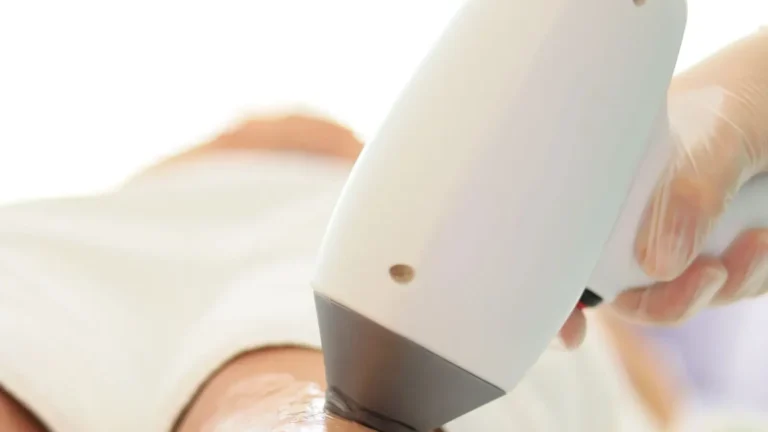
IPL is very effective for sun spots, freckles and redness, and we use it for skin rejuvenation and pigmentation. For melasma it’s a different story. IPL can lighten pigment in the short term, but the heat can also trigger the melasma to return darker. That’s why we assess every pigmentation concern first and may recommend a gentler plan, or referral to a doctor or dermatologist, rather than IPL for true melasma.
Melasma vs other types of pigmentation
| Type | Looks like | Main cause | Usual approach |
|---|---|---|---|
| Melasma | Symmetrical, blurry brown or grey-brown patches on cheeks, forehead and upper lip | Light and hormones | Strict sun protection, medical treatment, very careful use of devices |
| Sun spots (solar lentigines) | Defined brown spots on sun-exposed areas | Cumulative UV | Often responds well to IPL |
| Freckles | Small light-brown spots that darken in summer | Genetics and sun | Sun protection; IPL can lighten them |
| Post-inflammatory pigmentation | Dark marks where a pimple, rash or injury was | Inflammation | Calm the skin, protect from sun; often fades with time |
| Changing or irregular spot | Any spot that is new, growing, irregular or bleeding | Needs medical review | See a doctor for a skin check |
In-clinic options and how they fit
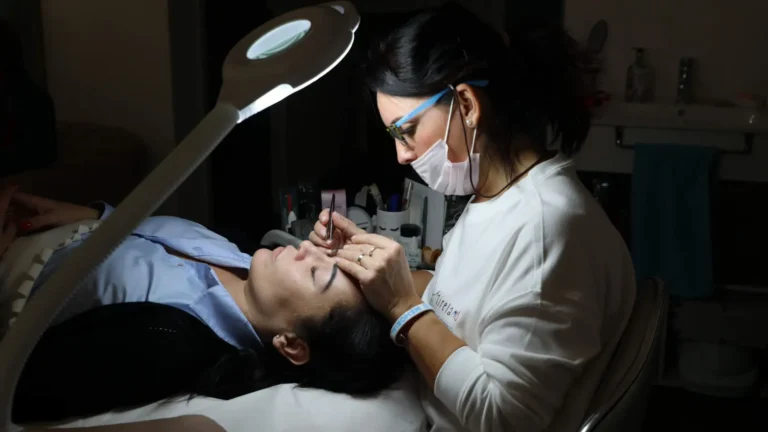
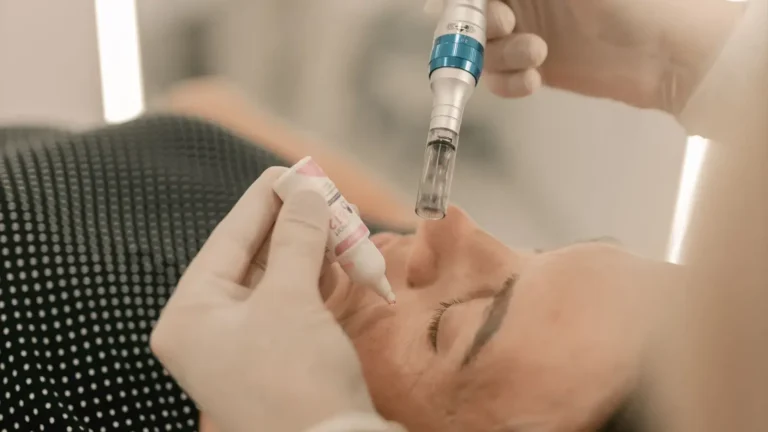
For melasma, in-clinic treatments support the foundation of sun protection and medical care. They don’t replace it. Options a practitioner may consider for selected people include:
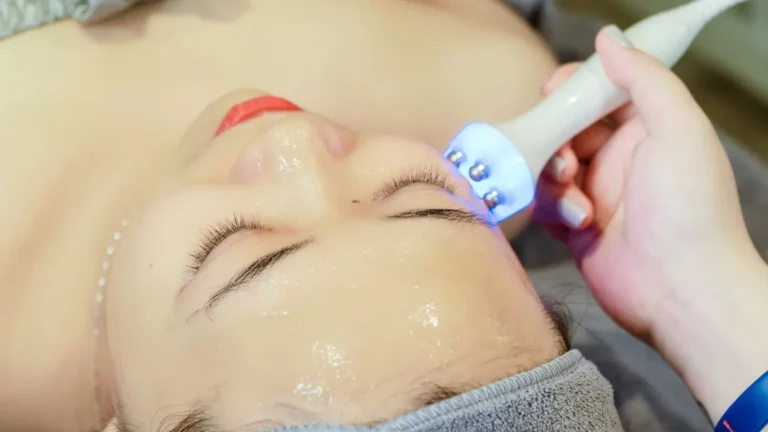
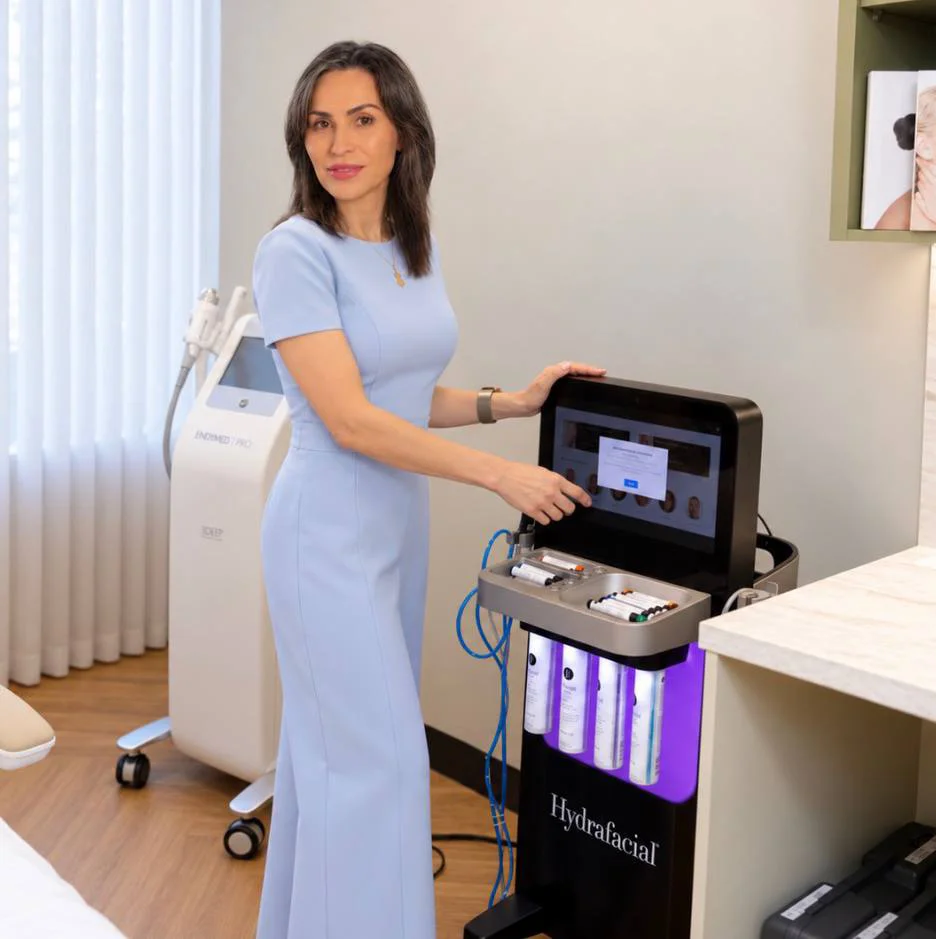
- Gentle hydrating facials, such as a HydraFacial with a brightening booster, to improve how the skin looks without heat.
- Carefully planned light-based or resurfacing treatments at conservative settings, only after assessment, and usually not in summer.
- Treating co-existing sun spots or redness separately, avoiding the melasma patches themselves.
Any plan should start cautiously, with a test area where appropriate, and stop if the pigment darkens.
Melasma myths
- “A laser can remove melasma for good.” No treatment cures melasma. Heat-based treatments can make it worse in some people.
- “Sunscreen is only for sunny days.” Visible light and UV reach your skin on cloudy days and through windows.
- “Scrubbing will fade it.” Irritation can trigger more pigment. Gentle care works better.
- “It’s only cosmetic, so it doesn’t need a doctor.” A doctor confirms the diagnosis, rules out other conditions and can prescribe effective treatment.
Your melasma action plan
- Get the pigmentation assessed, so you know whether it’s melasma, sun damage or something else.
- Start strict daily sun protection with tinted SPF 50+, a hat and shade.
- Simplify your routine and stop anything irritating.
- See your GP or a dermatologist about prescription treatment if it’s melasma.
- Consider gentle in-clinic treatments only once the plan is in place, and review progress every 2–3 months.
Pigmentation assessment in Norwest
Envisage Cosmetic is a nurse-led clinic at 416/7 Maitland Place, Norwest, near Castle Hill and Bella Vista. At a skin consultation we look at your pigmentation, explain whether it looks like melasma, sun damage or something else, and recommend a plan, including when a doctor’s review is the right next step.
Choosing a sunscreen for melasma in Australia
- Broad spectrum, SPF 50+. Look for “broad spectrum” on the label, which means protection from both UVA and UVB.
- Tinted, with iron oxides. These help block visible light, a known trigger for melasma.
- A texture you’ll actually use. The best sunscreen is the one you’ll apply generously every day. Try lotions, fluids or tinted formulas until you find one you like.
- Australian-listed products. Sunscreens sold as primary sun protection in Australia are regulated by the TGA. Look for an AUST L number on the pack.
- Reapply. Reapply every two hours outdoors and after swimming or sweating. A tinted powder or spray sunscreen can make top-ups over makeup easier.
Covering melasma with makeup
While you treat melasma, makeup can make you more comfortable day to day. A peach or orange colour corrector neutralises brown patches on lighter skin, and a deeper orange or red corrector suits darker skin. A thin layer of foundation over the top finishes the look. Choose non-irritating, fragrance-free products, and remove makeup gently each night. A foundation with SPF helps, but on its own it isn’t enough sun protection, so wear sunscreen underneath.
Key takeaways
- Melasma can be controlled, but not cured.
- Sun, including visible light, and hormones are the main triggers.
- Daily tinted SPF 50+ and gentle skin care are the foundation of every plan.
- A doctor can confirm the diagnosis and prescribe treatment.
- Heat- and light-based treatments can make melasma worse in some people, so they need careful assessment.
Frequently asked questions
What is the best treatment for melasma?
The foundation is strict daily sun protection with broad-spectrum SPF 50+, ideally tinted, plus treatment prescribed by a doctor. Some in-clinic treatments can help selected people, but there is no single best treatment for everyone, and melasma often needs long-term management.
Does melasma go away on its own?
Melasma triggered by pregnancy or hormonal contraception sometimes fades after the trigger stops, but it often persists or returns with sun exposure. Ongoing sun protection is the most important step.
Can laser or IPL make melasma worse?
Yes, in some people. Heat and light can trigger rebound pigmentation in melasma-prone skin, which is why any device treatment needs careful assessment and conservative settings, or a different approach altogether.
Is melasma the same as sun spots?
No. Sun spots are smaller, defined spots caused by cumulative sun damage and usually respond well to IPL. Melasma is patchy and symmetrical and is driven by hormones and light, so it is treated differently.
When should I see a doctor about pigmentation?
See a doctor about any spot that is new, changing, irregular in shape or colour, itchy or bleeding. In Australia, regular skin checks are important because of the high rate of skin cancer.
Does vitamin C help melasma?
Topical vitamin C is an antioxidant that may help brighten the skin and support sun protection for some people. It’s a supporting step, not a stand-alone treatment, and it doesn’t replace daily SPF 50+.
Can men get melasma?
Yes, although it’s more common in women. The same principles apply: strict sun protection, gentle skin care and a medical assessment for treatment.
Does melasma come back?
Often, yes, especially with sun exposure, heat or hormonal changes. That’s why ongoing sun protection and maintenance are part of every melasma plan.
Is melasma dangerous?
Melasma itself isn’t harmful or cancerous, but other spots can look similar. Have any new or changing spot checked by a doctor.
Does diet affect melasma?
There is no strong evidence that a particular diet causes or cures melasma. Sun protection, hormones and skin care have a much bigger effect.
Sources: DermNet: melasma; Cancer Council Australia: sun safety.